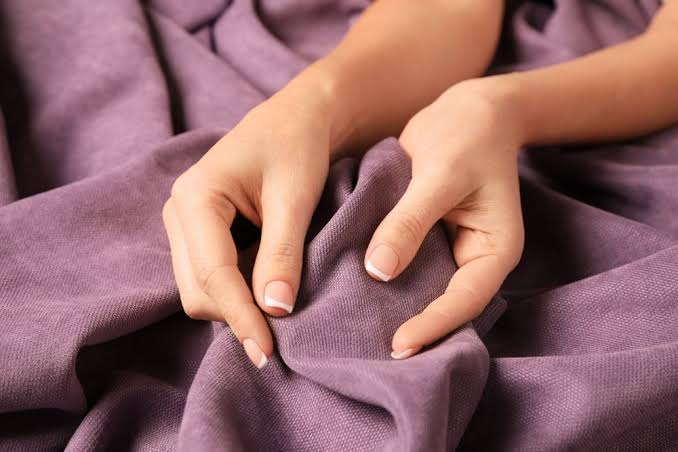
Home textile design is influenced by more than colours, patterns and fabric textures. The way a product behaves after washing can also affect its appeal. Consumers who want attractive homes without complicated maintenance may pay attention to whether curtains are easy to clean, bedsheets retain their shape and cushion covers remain presentable after repeated use.
This makes care performance an important consideration in Home Textile Fashion Trends. For manufacturers and designers, the challenge is to combine visual appeal with practical fabric properties that suit everyday household routines.
Why Care Requirements Influence Product Choices
Home textiles are used frequently and exposed to different conditions. Bedsheets require regular laundering, kitchen textiles encounter stains, curtains collect dust and cushion covers experience repeated handling.
When a product requires complicated care, some consumers may hesitate to purchase it for everyday use. A decorative fabric that looks attractive in a showroom may be less suitable for a household that prioritizes convenience.
Easy-care properties can therefore influence how consumers compare similar products. However, care requirements vary by fibre, construction, colour, finish and intended use. Products marketed as easy-care should include clear instructions explaining how they should be maintained.
Easy-Care Fabrics Do Not Have to Look Basic
Practicality and visual design are not necessarily competing priorities. Home textile collections can combine manageable care requirements with contemporary colours, textured surfaces, printed patterns and coordinated designs.
For example, a bedding collection might offer subtle geometric patterns in fabrics designed for routine washing. Cushion covers could combine decorative textures with removable covers, while curtain collections could provide clear guidance about cleaning and maintenance.
These choices allow consumers to consider both appearance and everyday usability.
Designers should also recognize that different households have different priorities. A decorative living room may accommodate more delicate fabrics, whereas a busy family home may require products that tolerate frequent cleaning.
The Role of Fabric Construction and Finishing
Easy-care performance depends on more than a label or marketing claim.
Fibre composition influences how a fabric responds to moisture, heat and washing. Fabric construction, yarn characteristics, finishing treatments and product construction can also affect dimensional stability, creasing and overall appearance.
Some finishes are designed to improve specific properties, but their effectiveness depends on the treatment and textile application. They may also involve trade-offs in cost, hand feel, durability or environmental considerations.
Manufacturers should evaluate the complete product rather than assuming that one finishing treatment will solve every maintenance problem.
Testing under appropriate care conditions can help determine whether a textile retains its intended appearance and performance. Useful checks may include shrinkage, colourfastness, seam performance and changes in surface texture after washing.
How Easy-Care Design Can Influence Product Development
For textile businesses, care requirements can become part of the product brief from the beginning rather than an issue addressed only after manufacturing.
Design teams can work with sourcing and production teams to select materials that meet the intended balance of appearance, price and maintenance. Product developers can also consider removable covers, practical dimensions and construction details that make cleaning easier.
Retailers can support purchasing decisions by explaining:
- Whether the product is machine washable or requires another cleaning method.
- Which washing temperature and drying method are appropriate.
- Whether the product may shrink or require ironing.
- How colour and texture should be maintained.
- Which care limitations customers should understand before purchasing.
Clear instructions help reduce the gap between consumer expectations and actual product performance.
Sustainability and the Limits of Easy-Care Claims
Easy-care textiles may help consumers maintain products more conveniently, but they are not automatically more sustainable.
The environmental impact of a textile depends on several factors, including raw materials, manufacturing processes, product lifespan, washing practices and end-of-life options. A finish that improves one performance characteristic may introduce other considerations that need evaluation.
Similarly, a product that is easy to wash is not necessarily durable enough to last longer. Durability and care convenience should be assessed separately and together when evaluating the complete product.
Manufacturers should avoid making broad environmental claims based solely on easy-care properties.
Turning Everyday Performance into a Design Advantage
Home textile fashion is not limited to seasonal colours or decorative patterns. It also reflects how consumers expect products to fit into their daily lives.
For manufacturers, easy-care design offers an opportunity to connect product development with practical consumer needs. The strongest approach combines attractive styling with tested performance, appropriate care instructions and realistic product claims.
For readers following Home Textile Fashion Trends, washability illustrates how functional requirements can influence fabric selection and product design alongside colour, texture and pattern.
Home Textile Views covers developments in home textile design, manufacturing and consumer preferences, providing industry readers with context for understanding changes in the sector.
Ultimately, a well-designed home textile should deliver the intended look while remaining suitable for the way it will be used, cleaned and maintained.