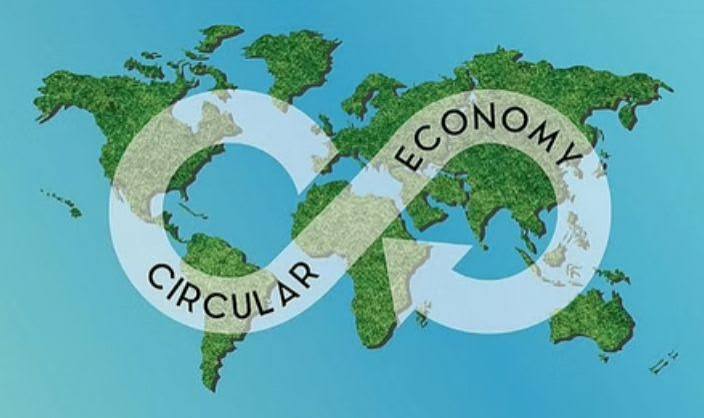
Sustainability has rapidly evolved from a marketing preference into a core industrial requirement across the global textile and home furnishing sectors. Stringent global environmental regulations, rising carbon footprint accountability, and increasing conscious consumer awareness are driving every tier of the textile supply chain to adopt eco-friendly practices.
Tracking Sustainable Textile Industry Trends has become a top priority for manufacturers, exporters, retail buyers, and brand strategists aiming to future-proof their business models in a changing economic landscape. At Home Textile Views, we highlight the circular practices, green manufacturing protocols, and material innovations steering the industry toward a greener future.
Next-Generation Materials and Fiber Innovations
Prominent Sustainable Textile Industry Trends highlight the widespread industrial adoption of bio-based cellulosic fibers, certified organic agriculture, and upcycled post-consumer waste streams. Conventional cotton and resource-heavy, petroleum-based synthetic materials are increasingly being replaced or blended with low-impact alternatives.
Organic and Regenerative Cotton
Produced entirely without synthetic pesticides or chemical fertilizers, which significantly improves soil health, biodiversity, and local agricultural water retention.
Recycled Polyester (rPET)
Diverting post-consumer plastic bottles and industrial polymer waste from overflowing landfills into durable yarns suitable for upholstery, cushion fills, and outdoor living fabrics.
Alternative Plant Fibers
Fast-growing crops such as industrial hemp, flax linen, bamboo, and banana fiber are gaining massive momentum due to their minimal water footprint and rapid agricultural renewal cycles.
Clean Processing, Chemistry, and Resource Efficiency
Material sourcing is only one part of the environmental equation. In-depth Sustainable Textile Industry Trends show a rapid operational shift toward waterless dyeing systems, low-temperature processing, and closed-loop water manufacturing ecosystems.
- Advanced Dyeing Techniques: Traditional textile dyeing processes traditionally consume vast amounts of fresh water and thermal energy; modern digital printing and foam-dyeing techniques significantly reduce wastewater effluent generation and hazardous chemical utilization.
- Renewable Energy Integration: Forward-thinking textile mills are heavily investing in renewable energy sources such as rooftop solar installations and biomass boilers to drastically lower their carbon emissions during production, washing, and finishing stages.
- Chemical Recovery Systems: Optimizing chemical recovery systems ensures that harmful auxiliaries are captured and reused rather than being released into municipal water systems.
Circularity and Regulatory Transparency
Understanding Sustainable Textile Industry Trends also requires looking closely at circular design frameworks and compliance metrics.
- Circular Design: Progressive brands are designing products explicitly for end-of-life recycling, utilizing mono-material constructions that simplify post-consumer disassembly and repurposing.
- Traceability & Compliance: Extended producer responsibility regulations and digital product passports in major global markets are compelling manufacturers to verify supply chain transparency from raw fiber extraction to the final retail shelf.
- Consumer Expectations: Consumers now expect full disclosure regarding the lifecycle of their home textiles, making data-backed traceability an essential operational pillar.
Conclusion
Adapting to Sustainable Textile Industry Trends is no longer optional—it is a critical necessity for long-term business resilience, regulatory compliance, and market access. Companies that proactively invest in eco-friendly fibers, clean manufacturing technologies, and circular supply chains will establish a decisive competitive advantage.
Stay updated on international environmental standards, eco-certifications, and green manufacturing solutions with Home Textile Views.