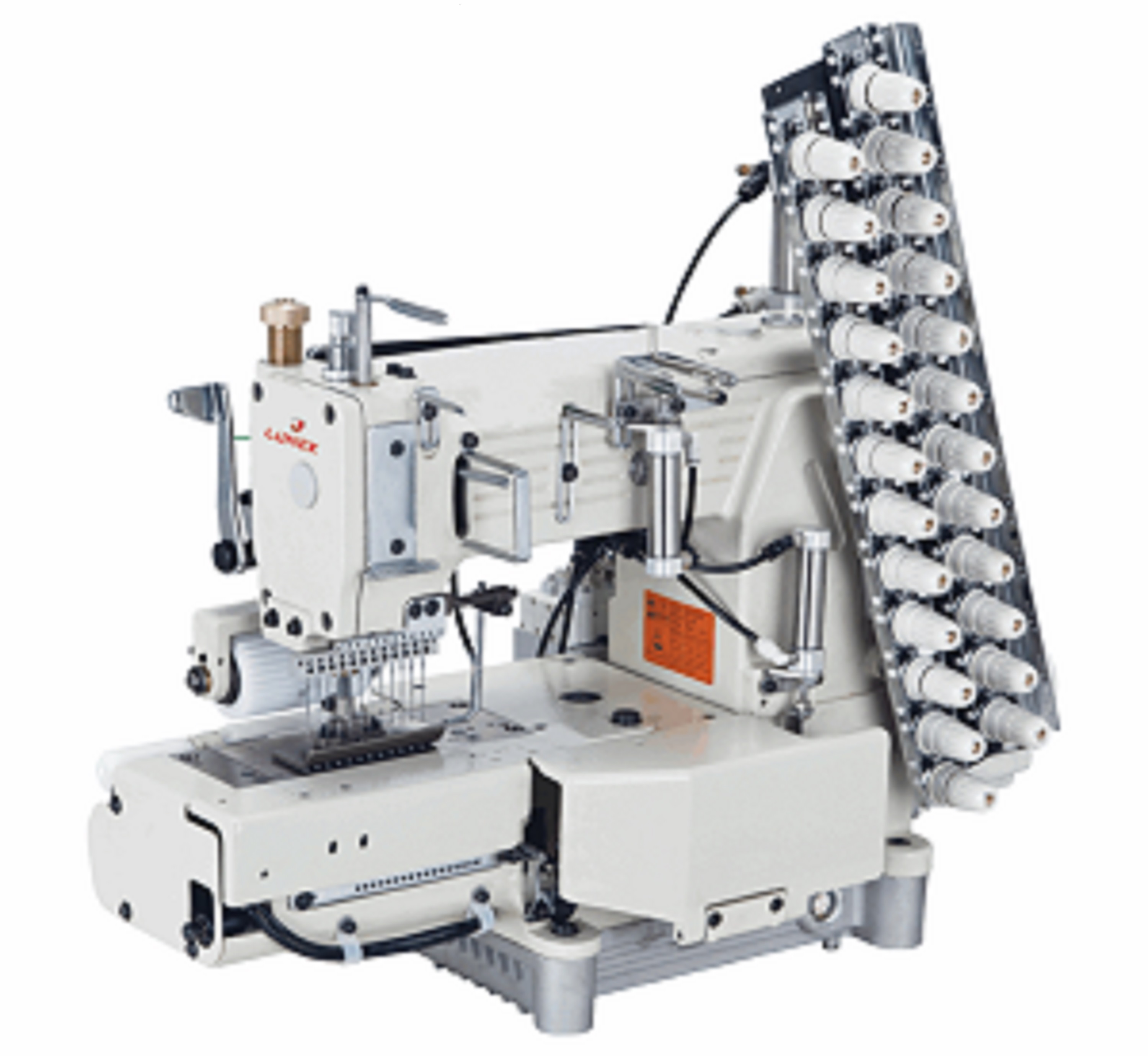
Garment manufacturers must select sewing equipment according to the stitching operations they perform, the materials they process, and the consistency their finished products require. A machine that suits one production line may not be appropriate for another, particularly when garment designs, seam patterns, and fabric types vary. Understanding these differences helps manufacturers make better equipment decisions and avoid investing in machinery that does not match their actual requirements.
A Multi Needle Sewing Machine is worth evaluating when a garment operation requires multiple stitch lines to be produced in a coordinated process. The right choice depends on the intended application, machine configuration, production workflow, and quality expectations.
Identify the Stitching Operations First
Before comparing equipment, examine the stitching tasks performed throughout the production process. Determine which operations require parallel stitch lines, repeated patterns, or consistent spacing between stitches. Also identify how frequently operators repeat these tasks and whether the current process involves multiple separate operations.
This assessment helps establish whether specialised multi-needle equipment is appropriate. If a garment requires repeated stitching in a consistent arrangement, combining suitable stitching tasks into one operation may simplify the workflow. However, the result depends on the machine configuration and the construction of the garment.
Manufacturers should avoid selecting equipment simply because it has more needles. The configuration must support the required stitch pattern and work with the materials being processed.
Check Fabric and Garment Compatibility
Fabric behaviour plays an important role in sewing quality. Lightweight woven materials, stretch fabrics, thicker assemblies, and layered garment sections can respond differently during stitching. Factors such as fabric movement, thickness, thread selection, and needle suitability can influence the finished result.
Before purchasing equipment, prepare representative samples of the materials used in production. Check whether the proposed setup can achieve the required stitch appearance and consistency without unnecessary adjustments.
It is also useful to evaluate the complete garment section rather than testing only a single fabric layer. The way materials feed through the machine can change when seams, folds, or multiple layers are introduced.
Evaluate Production Volume and Workflow
Production volume alone does not determine whether specialised sewing equipment is worthwhile. The type of operation, frequency of repetition, setup requirements, and current production bottlenecks also matter.
For example, a factory producing recurring garment styles may benefit from equipment configured for a standard stitching operation. A facility handling frequent design changes may need more time for adjustments between jobs.
When assessing a Multi Needle Sewing Machine, record the current time required to complete the relevant operation, including material preparation, repositioning, and any repeated stitching steps. Compare those observations with a practical production trial using the proposed equipment.
This comparison provides a more useful basis for decision-making than assuming that a particular machine will automatically increase output.
Consider Operator Training and Adjustments
Machine suitability includes more than the stitching mechanism. Operators must understand the setup, threading arrangement, routine adjustments, and correct handling of the material.
Ask the supplier what training is required and which adjustments are normally needed when changing fabrics or garment styles. Also establish whether the production team can perform routine checks independently or will need additional technical assistance.
Clear operating procedures can help reduce avoidable setup errors and make it easier for supervisors to maintain consistent production practices across shifts.
Review Maintenance and Service Requirements
Industrial sewing equipment needs appropriate maintenance to remain in suitable working condition. Before making a purchase, understand the recommended cleaning, lubrication, inspection, and adjustment procedures for the specific model.
Check the availability of compatible replacement parts and clarify the support arrangements offered by the supplier. Maintenance planning should also account for the consequences of equipment downtime, particularly when the machine performs an operation that affects several downstream production stages.
These considerations help manufacturers evaluate the practical cost of ownership rather than focusing only on the initial purchase price.
Measure the Value Before Investing
A structured production trial can help establish whether the proposed equipment suits the factory's needs. Use representative fabrics and garment sections, document the setup process, inspect stitch quality, and record the time required to complete the operation.
Compare the results with the existing method, including any changes in handling, rework, and operator effort. Do not assume that a faster stitching operation will improve the entire production line if other processes remain bottlenecks.
The most appropriate Multi Needle Sewing Machine is the one that meets the required stitching specifications and fits the factory's actual workflow.
Explore Suitable Equipment with Lunex Machine
Manufacturers evaluating industrial sewing equipment should define their application, prepare material samples, and establish measurable acceptance criteria before finalising a purchase. These steps make supplier discussions more specific and help ensure that the selected equipment addresses a real production requirement.
Lunex Machine provides a starting point for businesses exploring equipment options for garment manufacturing. Review the intended application, confirm the available machine configuration directly with the supplier, and assess whether it matches the required stitch pattern, fabric, and production process.
A careful evaluation helps manufacturers choose equipment based on operational needs rather than assumptions, supporting a more consistent and practical approach to production planning.