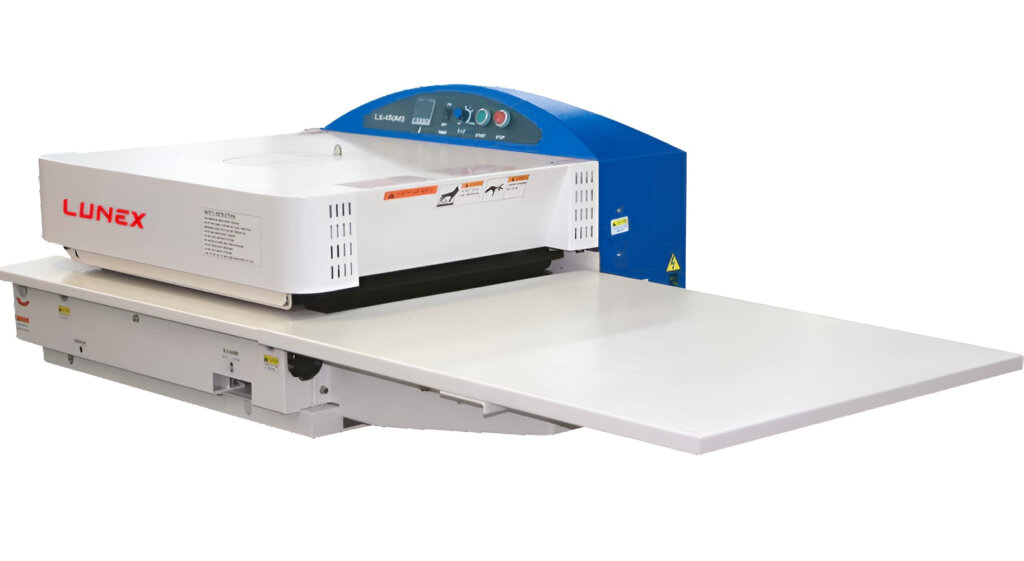
Fusing is an important operation in garment manufacturing because it joins interlining to the outer fabric to provide the required structure, support, and appearance. The quality of this bond influences how collars, cuffs, waistbands, plackets, and other garment components look and perform.
Even when suitable materials are selected, incorrect processing conditions can lead to weak adhesion, bubbling, surface marks, or fabric distortion. An Advanced Fusing Machine can support controlled production, but consistent results depend on matching machine settings to the materials and the intended application.
Understand the Main Variables in Fusing
Fusing quality depends on the interaction between temperature, pressure, dwell time, and material compatibility. These variables should be considered together rather than adjusted independently without testing.
Temperature
Temperature affects the activation of the adhesive used in fusible interlining. If the applied heat is insufficient, the adhesive may not form the required bond. Excessive heat can damage sensitive fabrics, alter their appearance, or create other processing defects.
The correct temperature depends on the adhesive system, fabric composition, and interlining manufacturer's recommendations.
Pressure
Pressure helps bring the fabric, adhesive, and interlining into contact. Inadequate or uneven pressure may contribute to inconsistent bonding across the component.
Excessive pressure can also affect the appearance or texture of certain materials. Operators should follow the recommended processing conditions and verify that pressure is applied consistently across the working area.
Dwell Time
Dwell time is the period during which the materials are exposed to the required processing conditions. If the time is too short, the adhesive may not activate sufficiently. If it is too long, the fabric may experience unwanted heat exposure or changes in appearance.
Production teams should establish a suitable dwell time through material-specific trials rather than relying on a single setting for every garment style.
Why One Fusing Setting Does Not Suit Every Fabric
Different fabrics respond differently to heat and pressure. Lightweight materials, textured surfaces, stretch fabrics, and heavier woven fabrics may require different processing conditions.
Interlining selection is equally important. The adhesive type, coating pattern, and compatibility with the outer fabric influence the resulting bond.
Before approving a new combination, manufacturers should test the fabric and interlining together. A successful setting for one material combination should not automatically be transferred to another, even when the fabrics appear similar.
Recognise Common Fusing Defects
Understanding the likely causes of defects helps production teams identify what to investigate.
- Weak bonding: Possible causes include unsuitable interlining, insufficient heat or pressure, inadequate dwell time, or contamination between layers.
- Bubbling or blistering: May result from incompatible materials, trapped moisture, or unsuitable processing conditions.
- Fabric shine or surface marks: Can occur when heat or pressure affects the outer fabric's surface.
- Uneven bonding: May indicate inconsistent pressure, temperature distribution, material placement, or other process variations.
- Distortion or shrinkage: May occur when the fabric is sensitive to the applied heat or processing duration.
These symptoms do not always have a single cause. Manufacturers should investigate the material combination and actual machine conditions before changing settings.
Use Trial Runs Before Bulk Production
A structured trial process can reduce the risk of defects appearing across an entire production batch.
First, confirm that the outer fabric and interlining are suitable for the intended application. Next, establish initial processing conditions using supplier recommendations. Process representative samples and allow them to cool or condition as required before evaluating the results.
Inspect the samples for appearance, distortion, and uniformity. Where appropriate, conduct a bond-strength or wash-performance test using the factory's approved method.
Record the approved settings for each material combination. This gives operators a repeatable starting point when the same garment style is produced again.
How an Advanced Fusing Machine Supports Process Control
An Advanced Fusing Machine may offer controls that help operators manage processing conditions more consistently, depending on its design and configuration. However, automated controls alone do not guarantee a reliable bond.
Manufacturers should assess temperature consistency, pressure adjustment, dwell-time control, working capacity, maintenance requirements, and the machine's suitability for their actual product range.
Lunex Machine offers Compact Fusing Machines for manufacturers evaluating fusing equipment options. The appropriate choice should be based on production volume, available workspace, material requirements, and the intended fusing applications.
Maintain Consistent Quality Across Production Batches
Once suitable settings have been established, production teams should monitor them during routine operation. Changes in fabric lots, interlining specifications, equipment condition, or production speed may require additional verification.
Operators should also keep the fusing surface clean and follow the manufacturer's maintenance recommendations. Recording defects and corrective actions helps identify recurring problems before they affect larger quantities of garments.
For more garment machinery solutions, visit the Lunex Machine website.
Consistent fusing quality comes from selecting compatible materials, validating processing conditions, and maintaining control throughout production. The machine is an important part of that process, but reliable results depend on the entire system working together.