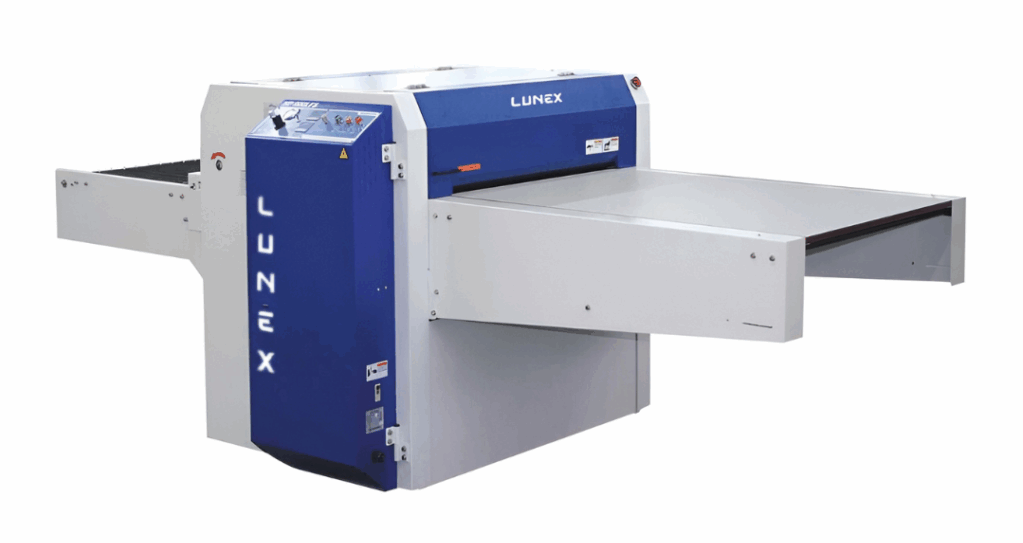
In the competitive world of apparel manufacturing, delivering clothing that retains its shape, structure, and aesthetic appeal after repeated wears and washes is vital. Garments such as formal shirts, tailored suits, jackets, and structured dresses require internal support materials known as interlinings to maintain firm collars, crisp cuffs, neat plackets, and smooth lapels. Achieving seamless bonding between fabric and interlining relies heavily on the performance of an Advanced Fusing Machine.
Without precise temperature control, uniform pressure, and proper dwell time, fused interlinings can bubble, pucker, or delaminate after laundering. For apparel manufacturers seeking consistent, high-grade finishing, sourcing reliable machinery from Lunex Machine is a key step toward elevated production standards.
1. The Role of Fusing in Modern Apparel Manufacturing
Fusing is a thermal bonding process that joins an interlining coated with thermoplastic adhesive to a garment component using controlled heat and pressure. The quality of this bond determines the structural integrity and appearance of the final garment.
Using obsolete or manual ironing methods for interlining application often leads to uneven heat distribution and inconsistent pressure. In contrast, modern thermal systems deliver exact temperature management and continuous pressure across the entire surface of the fabric. This ensures clean bonding across delicate silks, synthetic blends, heavy cottons, and wools alike.
2. Advantages of Upgrading Your Fusing Equipment
Upgrading to modern fusing hardware from Lunex Machine offers clear operational advantages for garment production houses:
- Uniform Temperature Distribution: Heating zones maintain stable temperatures across the entire width of the belt, preventing localized peeling or fabric scorching.
- Adjustable Pressure Controls: Pneumatic or mechanical pressure systems allow precise tuning tailored to delicate or heavy fabrics.
- Energy Efficiency: Modern heating elements reduce power consumption while maintaining consistent operating heat.
- Reduced Rejection Rates: Consistent bonding minimizes fabric distortion, puckering, and post-wash delamination issues.
3. Integrating Fusing into Complete Garment Lines
Achieving superior production throughput requires harmony across all manufacturing departments—from interlining preparation to final assembly. Interlinings processed through an Advanced Fusing Machine provide stable fabric structures that are much easier to stitch, resulting in fewer needle deflection issues and cleaner finished garments.
Conclusion
The quality of your interlining fusing directly impacts how end consumers evaluate your garments' fit and durability. Investing in an Advanced Fusing Machine equips your facility with the precision technology required to produce durable, high-quality apparel consistently.