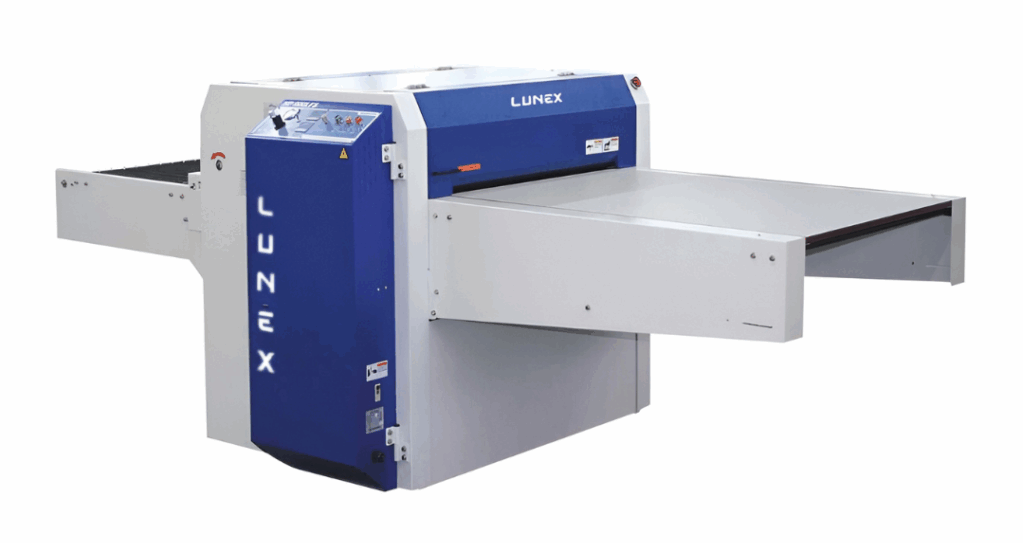
Fusing is an important process in garment manufacturing, particularly when attaching interlinings to collars, cuffs, waistbands, and other garment components. The quality of the bond depends on several factors, including temperature, pressure, processing time, and material compatibility.
An Advanced Fusing Machine helps manufacturers control this process more consistently. Understanding the role of each setting can help production teams reduce bonding defects and improve finished garment quality.
Why Fusing Settings Matter
Fusing involves applying controlled heat and pressure to bond interlining with the outer fabric through an adhesive. If the settings are unsuitable for the materials, the bond may be weak or the fabric may become damaged.
Temperature that is too low may prevent the adhesive from activating properly. Excessive heat can affect fabric appearance, cause discoloration, or damage heat-sensitive materials. Similarly, insufficient pressure may result in uneven bonding, while excessive pressure can affect the fabric's texture or appearance.
The correct settings depend on the fabric, interlining, adhesive, and machine specifications.
Key Factors That Influence Fusing Quality
1. Temperature
Temperature affects adhesive activation. Operators should follow the recommendations supplied by the interlining and adhesive manufacturer instead of applying one setting to every fabric.
2. Pressure
Consistent pressure helps the materials make suitable contact during processing. Uneven pressure across the working area can lead to inconsistent bonding and visible defects.
3. Processing Time
The materials need sufficient time under the required conditions for the adhesive to bond correctly. Processing time should be adjusted according to the material combination and equipment instructions.
4. Fabric and Interlining Compatibility
Different fabrics respond differently to heat and pressure. Testing the intended combination before full production helps identify problems such as bubbling, shrinkage, strike-through, or poor adhesion.
How to Reduce Common Fusing Problems
Manufacturers should test sample pieces before beginning a production batch. Inspect the samples for adhesion, surface appearance, dimensional changes, and other quality requirements.
Operators should also monitor the machine's settings, keep working surfaces clean, and follow scheduled maintenance procedures. If bonding defects appear, review the material combination and processing conditions systematically instead of changing several settings at once.
Choosing an Advanced Fusing Machine
When evaluating an Advanced Fusing Machine, consider the range of fabrics and interlinings used in production, the required output, available floor space, and the level of process control needed. Ease of operation, maintenance requirements, and technical support are also important purchasing considerations.
Businesses can explore Lunex Machine for garment manufacturing machinery and review the Pneumatic Linear Fusing Machine option when assessing suitable fusing equipment.
Conclusion
Consistent fusing quality requires the right combination of temperature, pressure, processing time, and compatible materials. An Advanced Fusing Machine can support a controlled workflow, but operators must still follow material recommendations and verify results through sample testing. These practices help manufacturers identify defects early and maintain more consistent garment quality.